
































News Summary
A recent stir surrounding the pace of play at Sleepy Hollow Country Club has sparked debates within the golf community. An image of the club’s ‘Pace of Play Offenses’ sheet went viral, leading to discussions on what constitutes a proper pace on the greens. The author of the sheet, who has extensive experience in golf, weighs in on the difference between ‘leisurely’ and ‘slow,’ and the evolving culture of maintaining pace in the game. The conversation has prompted a closer look at what is considered excessive time on the course.
Controversy Emerges Over Golf Pace of Play at Sleepy Hollow Country Club
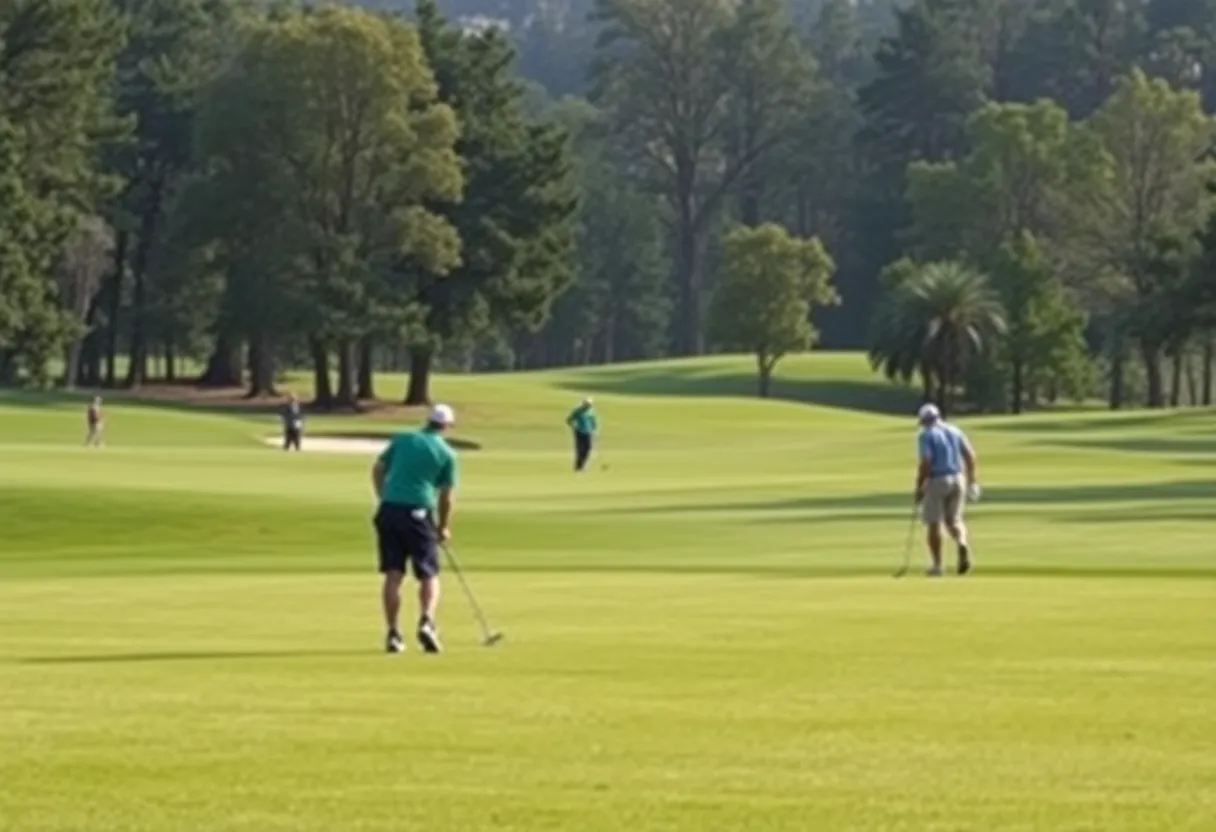
The golf world is abuzz with a recent online stir regarding pace of play at the renowned Sleepy Hollow Country Club. An image showcasing the club’s “Pace of Play Offenses” sheet went viral, leading to spirited debates about what constitutes a proper pace on the greens. The sheet famously highlighted players who took longer than the expected four-hour timeframe to complete their rounds.
Such discussions are nothing new, but social media took an interesting turn when some folks critiqued the author of the sheet. Comments ranged from humorous to harsh, with accusations flying that the author either lacked a family or was simply a slow player. In response, he clarified his status as a “fast-ish” player despite being in the game for 20 years and having spent 15 years as a caddy. This background certainly underlines his understanding of the importance of maintaining pace on the course.
Leisurely vs. Slow
What may come as a surprise to some is the intensity of the conversation around what it means to play golf at a leisurely pace. The author asserts that there’s a significant difference between the notions of “leisurely” and “slow.” He acknowledges the cultural shift within golf towards a more urgent approach, mirroring the speed of our daily lives.
Interestingly enough, the determined pace of four hours set by Sleepy Hollow is generally seen as fair. However, it does raise eyebrows because many private courses aim for a three hours and 45 minutes completion time, setting a tighter guideline for their players.
What’s Considered Excessive?
Recently, two groups at Sleepy Hollow were flagged for completing their rounds in times of four hours and 12 minutes and four hours and 16 minutes. While some members of the golf community expressed concerns about these durations as excessive, the author urges everyone to consider various contexts such as lost balls or social chats that can influence the pace.
Furthermore, the debate extends to the idea of utilizing “pace of play shame lists,” which the author suggests might be more applicable to public courses where slow play may be more frequent. Generally, players on public courses often experience longer wait times, with rounds stretching closer to an average of five hours.
Quality Over Quantity
From a personal perspective, the author shares that since becoming a parent, he has significantly reduced the frequency of his rounds. However, he relishes the quality of the time spent on the course, often lasting nearly four hours. In his view, the essence of golf should be about enjoyment and leisure rather than a race against the clock.
A touching anecdote from a fellow journalist highlights the psychological toll associated with being labeled a slow player, emphasizing their dedicated commitment to improving their pace on the greens. This brings forth a bigger question: What is the ideal length of a round of golf?
Finding the Sweet Spot
Opinions vary widely on the matter, but many enthusiasts agree that an ideal round should fall between three hours and 45 minutes to four hours and 10 minutes. Anything stretching over four hours and 30 minutes is widely regarded as excessive, contributing to frustration among players wanting to enjoy their game.
Experiences shared by a golf journalist aptly underline the balancing act required between maintaining speed and focusing on the intricacies of the game. After all, golf is not just a rush; it’s about savoring those moments spent on the fairways.
As discussions around pace of play continue, one thing is clear: the culture of golf is ever-evolving, and finding the right rhythm is essential for both tradition and enjoyment on the course.