News Summary
The tourism industry in Nova Scotia is defending natural areas against proposed golf course developments, focusing on the economic and ecological impacts of such projects. With a controversial plan for an 18-hole course at West Mabou Beach Provincial Park, local opinions are divided. Industry leaders argue for the importance of these protected areas for sustainable tourism, while some community members see potential economic benefits. As the conversation continues, stakeholders seek a balanced approach to preserve Nova Scotia’s natural heritage.
Naturally Opposed: The Battle Over Golf Courses and Protected Lands
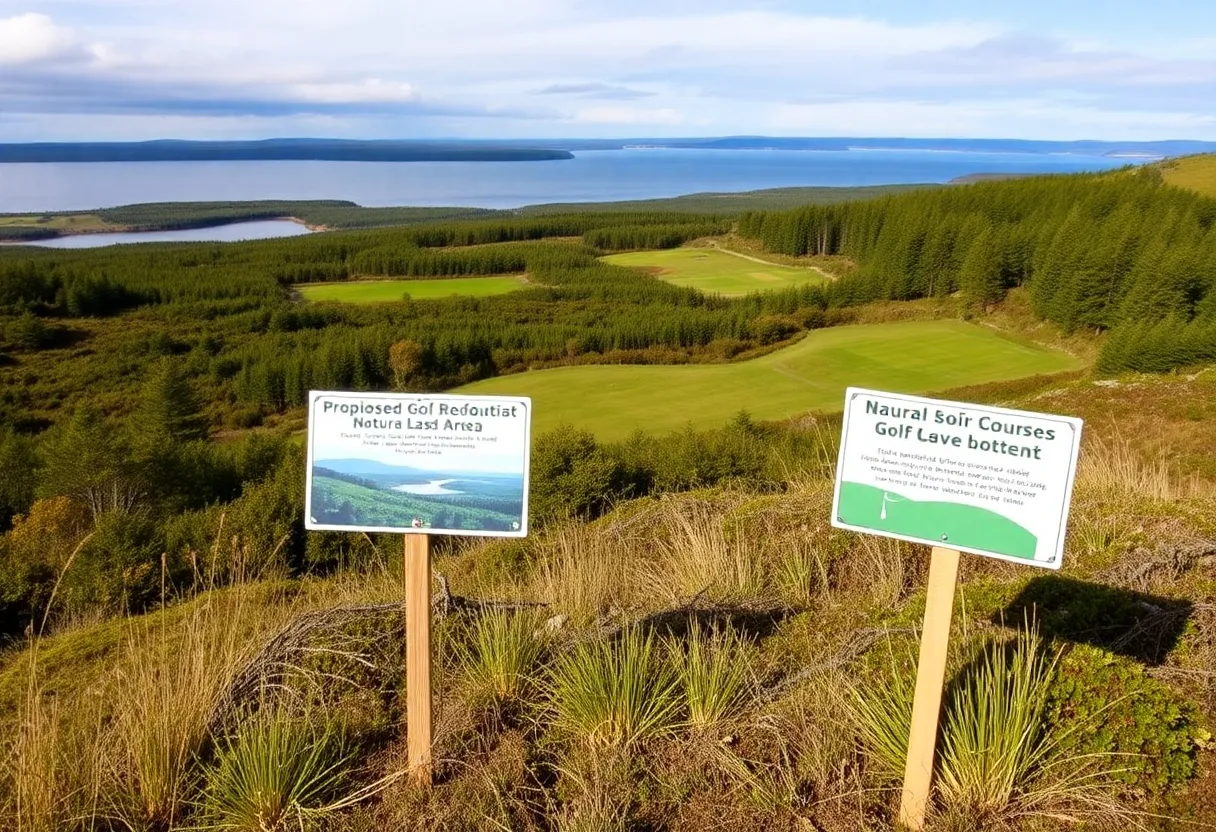
In a move that’s stirring quite a conversation, the tourism industry in Nova Scotia is stepping up to defend the province’s natural wonders against a proposed golf course development in protected areas. The spotlight is particularly on West Mabou Beach Provincial Park, where plans for an 18-hole course have caught the attention of locals and tourists alike. Advocates for the tourism sector argue that our natural parks and protected areas are not just pretty landscapes; they are essential to the local economy and the essence of the tourist experience.
Tourism’s Argument: A Natural Asset
Industry leaders are voicing concerns that the proposed golf course, backed by a well-known operator of other regional golf courses, could undermine Nova Scotia’s reputation as a prime destination for those seeking authentic nature experiences. The emphasis here is on the growing trend of adventure tourism, which thrives on the preservation of our natural environment. Thrill-seekers and nature lovers both flock to our hiking trails, scenic beaches, and bird-watching spots—activities that could be jeopardized by commercial developments in protected zones.
The Economic Impact
Tourism isn’t just a hobby in Nova Scotia; it’s a major economic driver, contributing an estimated $3.5 billion annually to the provincial economy. Visitors are drawn in by our renowned natural assets, which offer low-impact recreational activities like hiking and fishing. These experiences create jobs and boost local spending, making these protected areas invaluable for sustainable tourism.
Community Sentiment: Mixed Reactions
Parks Under Pressure
Regulatory Commitments at Risk
Nova Scotia is bound by legislation to ensure that 15% of its land and water is protected by 2026, with aspirations to reach 20% by 2030. However, there are rising fears that the provincial government’s recent moves suggest a lack of commitment to these goals, thereby threatening access to important international climate and conservation funding.
Seeking Balance: The Way Forward
As the conversation unfolds, there’s a growing consensus that investments should prioritize land outside protected areas. Stakeholders are advocating for a balanced approach where responsible tourism can flourish without compromising our ecological integrity. The emphasis should be on collaboration among government officials, industry leaders, and local communities to ensure that Nova Scotia can offer the best of both worlds: vibrant tourism and a thriving natural environment.
Conclusion: A Future Worth Protecting
In a world that increasingly values destinations prioritizing natural and cultural heritage, the need for durable practices that protect our environment has never been clearer. Policymakers are urged to rethink developments in our precious parks, urging a brighter future for Nova Scotia’s tourism sector. Engaging the public and ensuring transparent decision-making is vital, for the preservation of our natural resources is not just about today, but about the sustainability and prosperity of our beautiful province for generations to come.