News Summary
The Chicago Bears are exploring the possibility of relocating to Hammond, Indiana, potentially impacting the beloved Lost Marsh Golf Course. A proposed $2 billion stadium near Wolf Lake aims to bolster local economy but raises environmental concerns. With strong bipartisan support, plans are underway, but uncertainty remains around the fate of the golf course and surrounding ecology.
Chicago Bears Eye Move to Hammond, Indiana: What It Means for Lost Marsh Golf Course
Big changes could be on the horizon for football fans and golfers alike as the Chicago Bears explore the possibility of building a new stadium near Wolf Lake in Hammond, Indiana. This potential relocation not only promises to shake things up for the Bears but also casts a shadow over the future of the beloved Lost Marsh Golf Course.
A Stadium in Hammond: The Vision
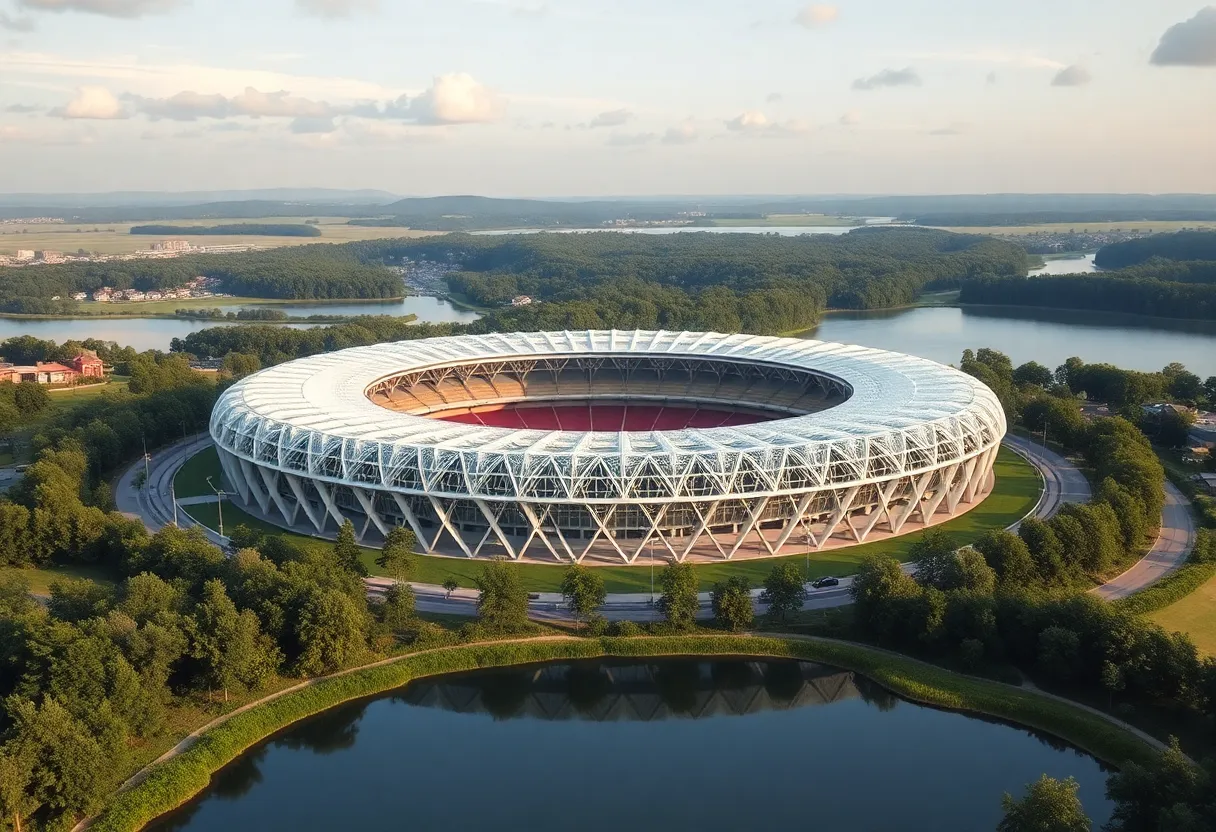
The proposed stadium site is situated just a short drive—about 20 minutes—from the Bears’ current home at Soldier Field. With a hefty investment of $2 billion from the Bears and an additional $1 billion backed by the state of Indiana through various funding methods, including bonds and local taxes, this new stadium is being touted as a game-changer for the region. Hammond’s Mayor, Thomas McDermott, sees the project as an opportunity that could transform the city, creating a hub of economic activity.
Financial Backing: How Will it Work?
The financial structure to support this ambitious stadium plan includes an admissions tax and a special tax district aimed at funding. The proposal has already gained momentum, with the bill being passed unanimously in a legislative committee, indicating strong bipartisan support for the project’s financial underpinnings.
Lost Marsh Golf Course: The Potential Impact
But before fans put on their jerseys and head to the new stadium, the fate of Lost Marsh Golf Course hangs in the balance. This beautifully designed course, which opened its doors in 2002 on land donated by BP, may have to close its fairways if the stadium becomes a reality. As it stands, “Lost Marsh” operates for only about five months a year and may not be seen as economically valuable compared to a state-of-the-art stadium.
The Excitement and Concerns Surrounding the Project
Local legislators are buzzing with anticipation, believing that the stadium could not only create jobs in construction but also boost hospitality and tourism once it’s up and running. The prospective economic advantages are hard to ignore, making many see this project as a pivotal move for local growth.
However, it’s not all smooth sailing. The site where the stadium is proposed sits within a sensitive ecological area, known to be part of a migratory route for birds and rich in biodiversity. Environmental advocates have raised flags about the potential negative impacts this infrastructure could have on local ecosystems, demonstrating that while economic development is critical, safeguarding the environment remains equally important.
The Legacy and the Future
Interestingly, there’s a historical connection between the Bears and Hammond; team founder George Halas began his career in that very area. Local leaders are optimistic, recalling past legislative efforts aimed at drawing the Bears to Northwest Indiana. In fact, the enthusiasm is palpable as community leaders express their commitment to partner with the Chicago Bears to facilitate this ambitious endeavor.
What’s Next?
As of now, the Bears have not set a timeline for making a final decision regarding the stadium’s location. The conversation around this potential move is fraught with excitement, tension, and uncertainty. What does it mean for one of the region’s cherished golf courses? Will construction lead to job creation and improved economic conditions? Only time will tell.
For now, all eyes are on Hammond as it stands on the brink of what could be a groundbreaking moment for the city, its economy, and the beloved sport of football.