


























News Summary
The seven-wood is making a surprising comeback on the PGA Tour, with top professionals incorporating it into their game strategies. As traditional long irons fade, players are drawn to the advantages of this high-launching club, especially on modern course conditions. The shift in equipment preferences emphasizes functionality over image, signaling a new era for golfing gear. Seven-woods’ unique loft allows for optimal distance and control, making them increasingly popular for both professional and amateur golfers alike.
The Resurgence of Seven-Woods: A Game-Changer for PGA Tour Professionals
In the ever-evolving world of golf, a surprising comeback is making waves: the seven-wood. Once considered the black sheep of the metal woods family, these clubs are now appearing more frequently in the bags of professional golfers at tour events across the nation. And what’s behind this trend? Simply put, the shift in golf club dynamics offers a fresh perspective for both players and enthusiasts alike.
From Outcast to Mainstream
The Search for Marginal Gains
Why is this happening? Well, simply put, the professionals are on a constant quest for a marginal gain that can elevate their game. PGA professional Jack Backhouse has pointed out that modern course conditions present their own set of challenges. With firmer and faster greens, utilizing high-launching clubs like the seven-wood becomes a strategic advantage. Players find it increasingly difficult to stop low-flying long irons on these challenging surfaces, making a multifunctional club an enticing option.
A New Era for Equipment Choices
Seven-Woods in the Field
Why Seven-Woods Shine on the Course
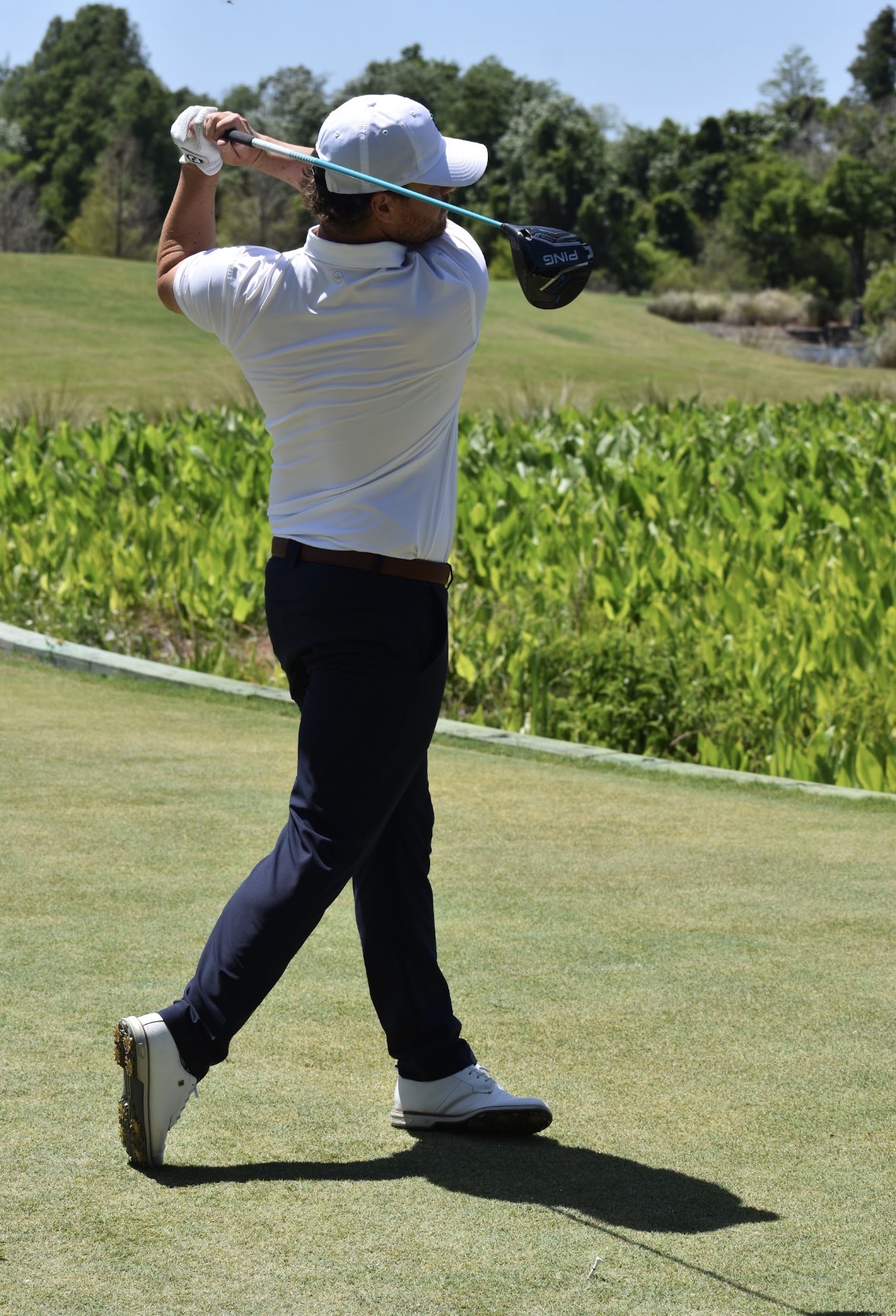
A typical seven-wood boasts around 21 degrees of loft, putting it on par with a 4 or 5-iron or a 3 or 4-hybrid. This loft helps in achieving that sweet spot between distance and control. Major manufacturers like Ping, Titleist, Cobra, and Callaway have seen the opportunity and started producing well-received seven-woods tailored for skilled players. The Ping G440 Max stands out in testing and is widely regarded for its consistency and performance.
Matching Clubs with Swing Speeds
Testing Drives Innovation
The value of testing fairway woods encompasses analyzing crucial attributes such as accuracy, distance, and forgiveness. Data from these evaluations has indicated that players achieve notably higher greens-in-regulation (GIR) rates when using a seven-wood compared to a hybrid. This suggests that not only do seven-woods excel at launching the ball, but they offer enhanced stopping power—vital for sticking approach shots on modern golf courses.
Conclusion: An Era of Acceptance
As golf continues to evolve, the acceptance and use of seven-woods illustrate a refreshing turn in the golfing landscape. With their adaptability to various playing situations and modern course conditions, it’s no wonder they’re making a mark on professional tours. Who knows? The next time you watch a tournament, keep an eye out for these unassuming champions—it seems they’re here to stay.