


















Skyrocketing Green Fees at Golf Courses: A Swing Towards Exclusivity?

News Summary

Golf fees at top courses in the UK and Ireland are set to soar by nearly 50% since 2021, with local golfers feeling increasingly sidelined. Demand from international players fuels price hikes, raising concerns about the future accessibility of the sport for everyday golfers. As operational costs rise, many wonder if golf will become an exclusive pastime for the wealthy rather than a beloved sport for all.

Skyrocketing Green Fees at Golf Courses: A Swing Towards Exclusivity?

Golf enthusiasts have been feeling quite the pinch lately, as the price of teeing off at premier courses across the UK and Ireland has seen a staggering upward trend. Those once magical, sunlit days of playing a round for a reasonable fee seem to be a distant memory as green fees soar, raising eyebrows and causing frustration among local players. What’s going on here?

Explosive Price Hikes

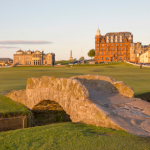
The average green fee at the UK’s top golf courses is projected to hit £237 in 2025, showcasing a jaw-dropping 10.7% increase from the previous year and a nearly 50% jump since 2021. Iconic venues like the Old Course at St Andrews have seen their fees change dramatically, rocketing from £195 in the summer of 2021 to an astounding £355 by 2025. Meanwhile, Royal Birkdale has raised its peak-time green fee to a staggering £495, marking a £95 increment that leaves many scratching their heads.

The Post-COVID Golf Boom

The surge in prices can largely be attributed to an unprecedented rise in golf participation rates after COVID. As more people took up the sport, the demand for tee times especially at popular courses has outstripped supply. In turn, this has led to golf courses being completely booked, with some even accepting reservations as far as 2027! But not everyone is smiling; this increase has left many local golfers feeling left out, or worse, priced out of playing.

Local vs. International: A Divided Fairway

One surprising trend is the increasing targeting of international tourists by many golf clubs, as they seek to capitalize on the higher willingness of overseas players to shell out big bucks for a round. This marker of exclusivity has caused a certain level of discontent among local golfers. Many feel that they are being sidelined as clubs focus their efforts on attracting hefty pockets rather than nurturing local talent enthusiasts.

The Financial Reality

So, why the sky-high prices? With the ever-increasing operational costs of maintaining golf facilities—such as rising prices for fuel, fertilizer, staffing, and utilities—golf clubs are emphasizing the importance of generating more revenue. They argue that increased visitor revenue is essential for reinvesting in course enhancements and better amenities. However, local golfers are finding it hard to grasp this reasoning when greens fees keep climbing higher year after year.

Understanding the Veblen Effect

Interestingly, the Veblen effect comes into play here. While it sounds complicated, it simply means that as prices rise, the perceived quality and desirability of golfing experiences also increases among many players. For some, the prestige of playing at these iconic courses might justify the hefty fees. But what about the average golfer who just wants to enjoy a relaxing day on the links?

The Consequences of Rising Costs

Concerns have begun to surface, with a significant number of surveyed golfers—approximately 38%—indicating they’ve played less due to increased green fees. Even municipal and standard pay-and-play courses are feeling the heat as their prices have escalated substantially, some jumping from around £30 to £60 or even £70 since the pandemic hit. This raises the question—will the love for golf diminish as the costs to play keep creeping up?


Looking Ahead

The growing willingness of overseas tourists to pay these inflated fees certainly fuels demand, but it also raises serious doubts about the long-term sustainability of this pricing model. If the current trend of relentless price hikes continues unchecked, there’s a real possibility that golf could become an indulgence only accessible to the wealthier elite. That’s not the future many devoted golfers envision.

Ultimately, the landscape of golf is rapidly changing, reflecting broader economic realities and social dynamics. For now, players will have to navigate their passion for the sport amidst the swirling emotions brought on by escalating green fees and divided priorities. It’s a tough time to be a golfer, and only time will tell how this all plays out.

Deeper Dive: News & Info About This Topic

Discovering Hidden Gems: Golfing in Houston
Discovering Hidden Gems at Barefoot Resort
Trump’s Taxpayer-Funded Golf Trip to Scotland Raises Concerns
Texas GolfPass Reveals 2025’s Top 25 Public Golf Courses
Maine Prepares for a Spectacular Golf Celebration in 2026
Staysure Legends Tour Reveals 2026 Schedule Updates
U.S. Golfers Embrace Travel Trends in 2026
New Atlantic Horizons Golf Program Announced for 2026
Scottie Scheffler Clarifies Riviera Ball Incident
Justin Rose Clinches Victory at Farmers Insurance Open

Additional Resources