




























The Impact of Daylight Saving Time on the Golf Industry
News Summary
The debate over Daylight Saving Time has reignited, with significant implications for the golf industry. As golf courses depend heavily on late afternoon play, a shift to permanent Standard Time could result in billions lost in revenue. A survey shows that a majority of golf industry members favor making DST permanent. Beyond golf, the economic consequences could touch various sectors, while health considerations add layers to this complex issue. With legislation in motion, the outcome could redefine leisure and recreation in the U.S.
The Fight Over Daylight Saving Time: What It Means for Golf and Beyond
As the sun begins to set earlier and the weather cools down, the debate surrounding Daylight Saving Time (DST) heats up once again. The golf industry is taking center stage in this discussion, emphasizing the potential economic consequences of reverting to permanent Standard Time. Industry leaders are expressing their concerns that such a decision could translate into a net loss of billions in revenue.
The Numbers Speak for Themselves
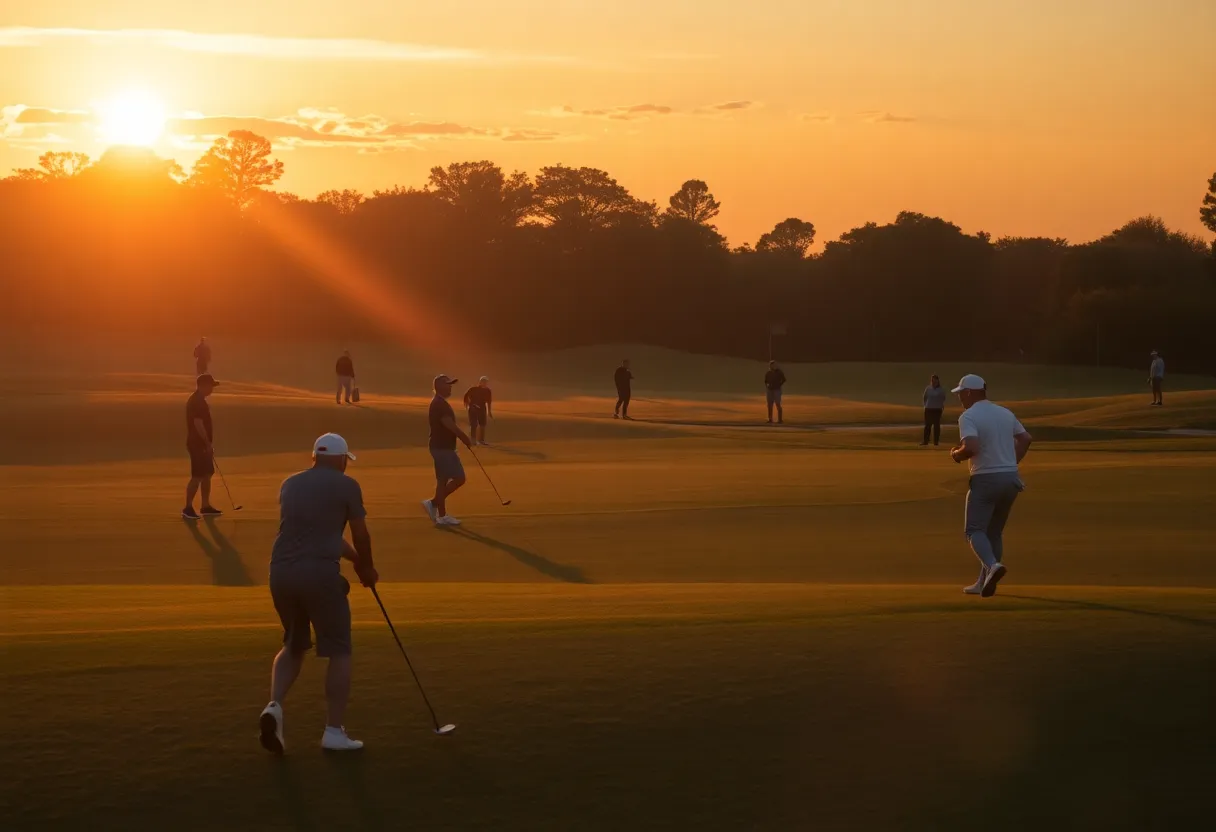
Let’s break it down: golf courses thrive in the afternoon and evening hours, where potential revenue skyrockets. It’s estimated that golf revenue during this time frame can be around 40% higher than the earlier hours of the day. Imagine that extra revenue translating into improved facilities, better player experiences, and enhanced community engagement!
However, if Congress opts to switch back to permanent Standard Time, the golf industry could face dire consequences. Projections indicate a potential loss of at least $1.6 billion annually just in terms of lost green fees. That’s clearly a figure that industry leaders cannot ignore, especially as many golf courses rely heavily on evening play to stay afloat.

A Survey of Opinions
The Broader Economic Impact
The implications of this debate extend far beyond the golf courses. Experts, including academic professionals, have suggested that adopting permanent DST could also stimulate growth in various sectors including retail, restaurants, and recreational activities. More daylight means more time for leisurely pursuits, which naturally translates into spending in local economies.
The Legislative Landscape
Under current federal law, states have the leeway to switch between Standard Time and DST, or even remain on Standard Time permanently, but without Congressional approval, they’re unable to set permanent DST on their own. This legislative nuance has led several states, particularly those with a penchant for golf, to call upon Congress to allow permanent DST.
As the debate unfolds, some lawmakers have voiced their support for making DST a permanent fixture, while others warn of potential safety issues—concerns about children walking to school in darkness and other safety-related challenges arising from a permanent shift. Historical evidence indicates that the experiment with permanent DST in the 1970s resulted in significant safety issues, prompting a swift reversal.
Health Considerations
Interestingly, studies have suggested that standard time might align more closely with our body’s natural circadian rhythms, arguably improving overall health outcomes. So while the economic implications are front and center, the health debate offers another layer to consider in this multifaceted issue.
What’s on the Table in Congress?
Currently, there are four bills making their way through the legislative process, each addressing the contentious topic of daylight saving time. Some of these bills even allow individual states to make their own decisions regarding whether to adopt permanent DST. The golf industry is keeping a close eye on these developments, as many facilities cater specifically to players who prefer later tee times.
In the end, the outcome of this debate will have profound implications beyond the green. Local economies, community activities, and individual health may all be at stake. For golf lovers and economic stakeholders alike, the stakes have never been higher, and the ongoing discussion about Daylight Saving Time may very well shape the future of leisure and recreation in the country.
Deeper Dive: News & Info About This Topic
GCSAA Senior Director Shelia Finney Announces Retirement
Golf Courses Leading the Charge in Water Conservation During Drought